
things to do in yokohama?

カテゴリー: Plan Your Trip

  • How to Get to Yokohama from Tokyo — Best Routes by Area

    How to Get to Yokohama from Tokyo — Best Routes by Area

    Yokohama is one of Japan’s most beautiful port cities — known for ocean views, romantic night scenery, fantastic food, and a more relaxed atmosphere than Tokyo. The great news is that Yokohama is very close to Tokyo, and you can get there in about 25–45 minutes.

    However, the best route depends on where you’re staying in Tokyo.
    Choosing the wrong line can mean crowds, long transfers, or unnecessary travel time.

    This guide makes it simple — just find the Tokyo area you’re staying in, and follow the recommended route for the fastest and easiest trip.


    🌟 Quick Answer — Best Route from Each Area

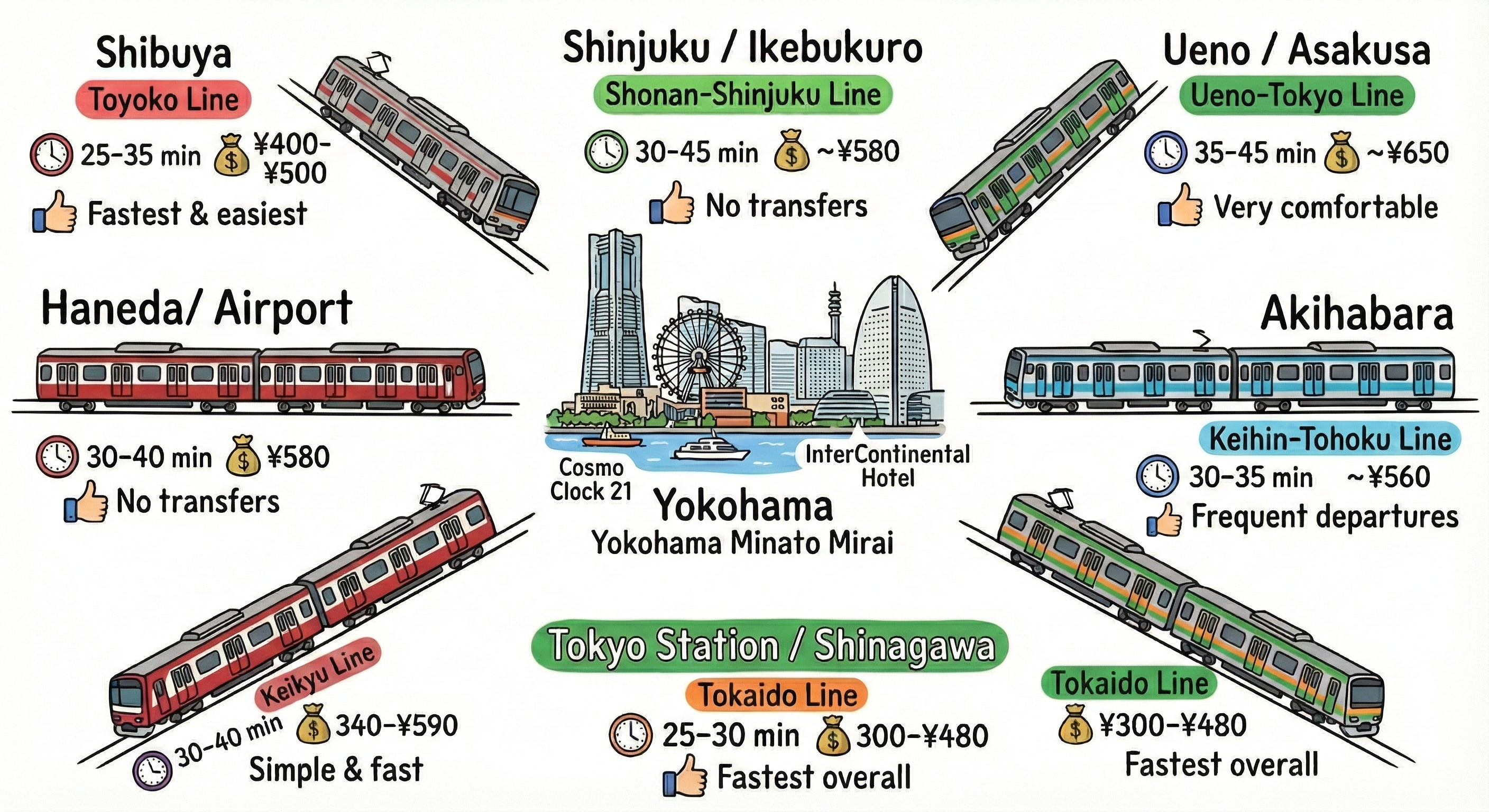
    AreaBest RouteTimeCostNotes
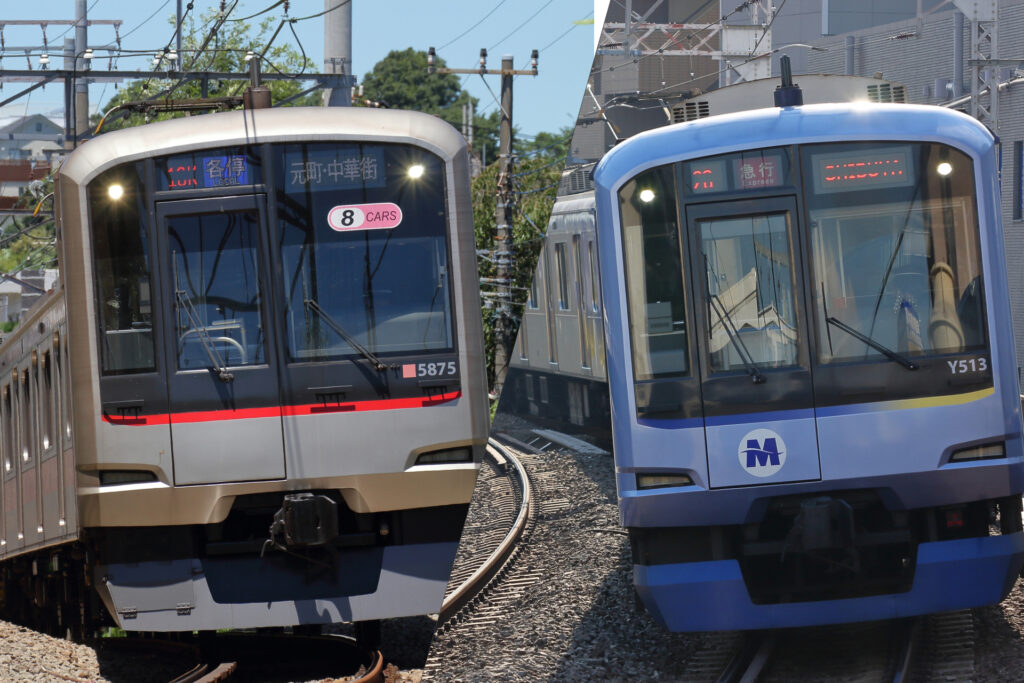
    ShibuyaTokyu Toyoko Line → Minato Mirai Line (direct)25–35 min¥400–¥500Fastest & easiest
    Shinjuku / IkebukuroJR Shonan-Shinjuku Line (direct)30–45 min~¥580No transfers
    Ueno / AsakusaJR Ueno–Tokyo Line (direct from Ueno)35–45 min~¥650Very comfortable
    AkihabaraJR Keihin-Tohoku Line (direct)30–35 min~¥560Frequent departures
    Tokyo Station / ShinagawaJR Tokaido Line (direct)25–30 min¥300–¥480Fastest overall
    Haneda AirportKeikyu Line (direct)30–40 min¥340–¥590Simple & fast

    ① From Shibuya Area

    Best Route: Tokyu Toyoko Line (direct)
    Travel Time: 25–35 minutes

    If you’re staying in Shibuya, Daikanyama, Nakameguro, Yoyogi-Uehara, or Ebisu, the Tokyu Toyoko Line is by far the most convenient option.

    ✔ Why it’s the best

    • Direct, no transfers
    • Fast — especially if you take an express train
    • Comfortable even during daytime

    And here’s the biggest benefit:

    If you’re heading to sightseeing spots rather than Yokohama Station, the Tokyu Toyoko Line becomes the Minato Mirai Line after passing Yokohama, so you can stay on the same train without transferring.

    It takes you straight to the main sightseeing areas:

    • Minato Mirai (Landmark Tower, Cup Noodles Museum, shopping)
    • Nihon-Odori (Osanbashi Cruise Terminal / Yamashita Park)
    • Motomachi-Chūkagai (Chinatown / Motomachi Shopping Street)

    Perfect for visitors who want a smooth and stress-free trip.


    ② From Shinjuku / Ikebukuro Area
    toukaido line

    Best Route: JR Shonan-Shinjuku Line (direct)
    Travel Time: 30–45 minutes

    This is the simplest way from Shinjuku, Ikebukuro, Takadanobaba, or Ōtsuka.

    ✔ Why it’s the best

    • No transfers required
    • Lots of trains every hour
    • Easy to find seats compared with central Tokyo routes

    ⚠ Tip

    Avoid 7:30–9:30 AM on weekdays if possible — it gets crowded.

    A great choice for first-time visitors and anyone carrying luggage.


    ③ From Ueno / Asakusa Area
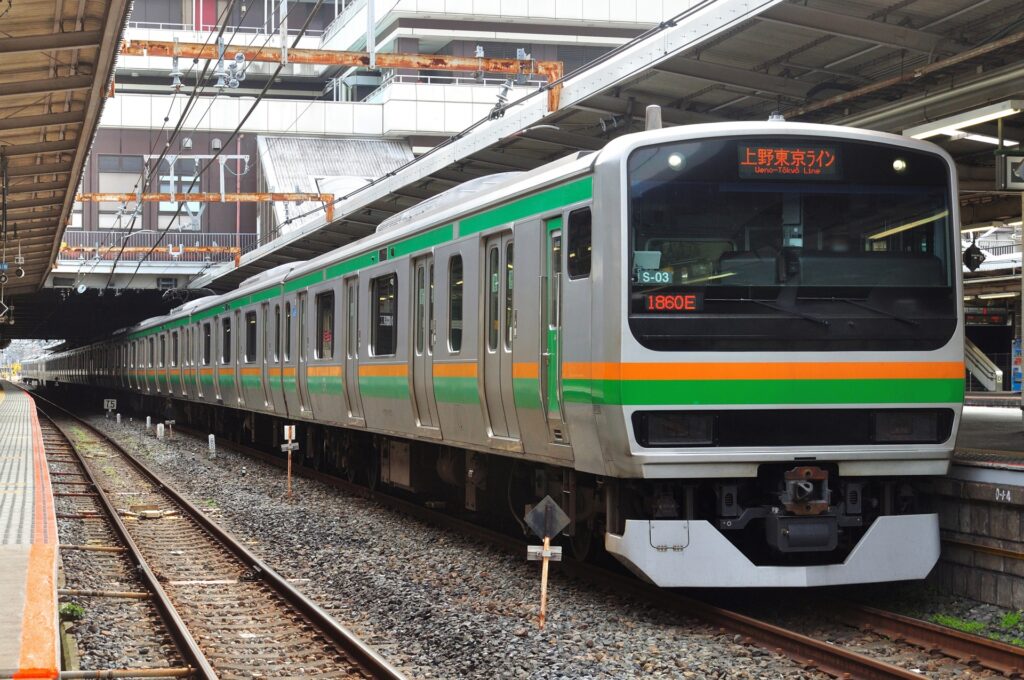
    Best Route: JR Ueno–Tokyo Line (direct from Ueno)
    Travel Time: 35–45 minutes

    Ueno has a direct train to Yokohama, but Asakusa does not.

    How to travel from this area

    • If you’re staying in Ueno → Simply take the JR Ueno-Tokyo Line directly to Yokohama.
    • If you’re staying in Asakusa → Take a short ride to Ueno Station first, then board the JR Ueno-Tokyo Line.

    ✔ Why this route is great

    • Fast and reliable
    • Comfortable rolling-stock designed for longer-distance use

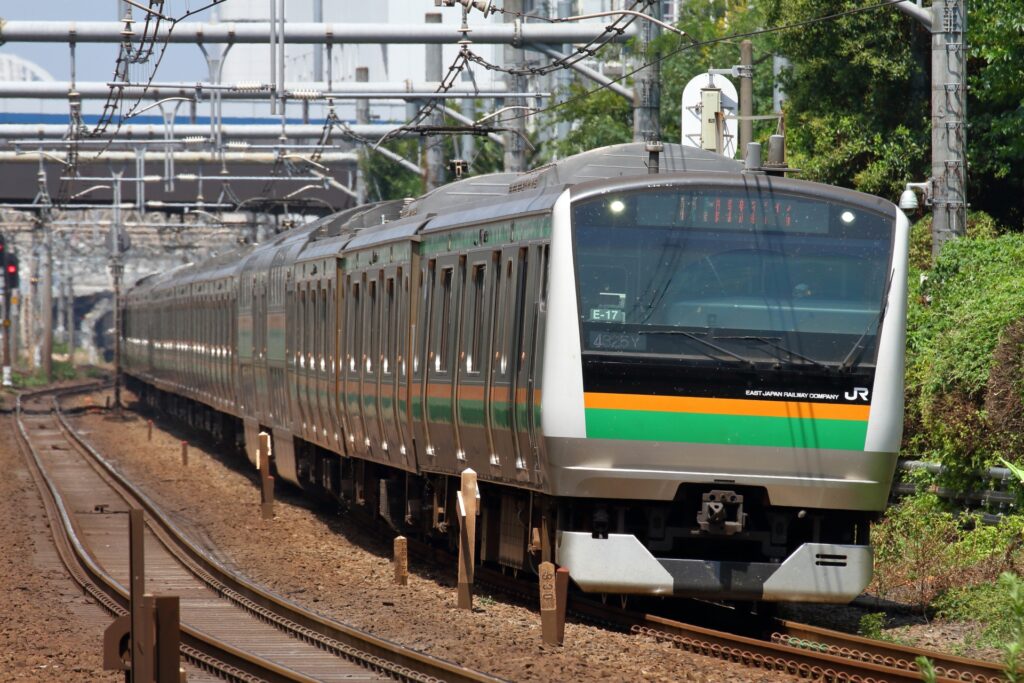
    ⚠Note: Shonan-Shinjuku Line and Ueno-Tokyo Line Look Very Similar

    The JR Shonan-Shinjuku Line and the JR Ueno–Tokyo Line use very similar trains and look almost identical from the outside.
    Just check the train name on the platform sign or on the train display and you’ll get on the correct one.

    Both lines are comfortable and fast, so if you accidentally take the other one, you will still arrive in Yokohama without a problem.


    ④ From Akihabara
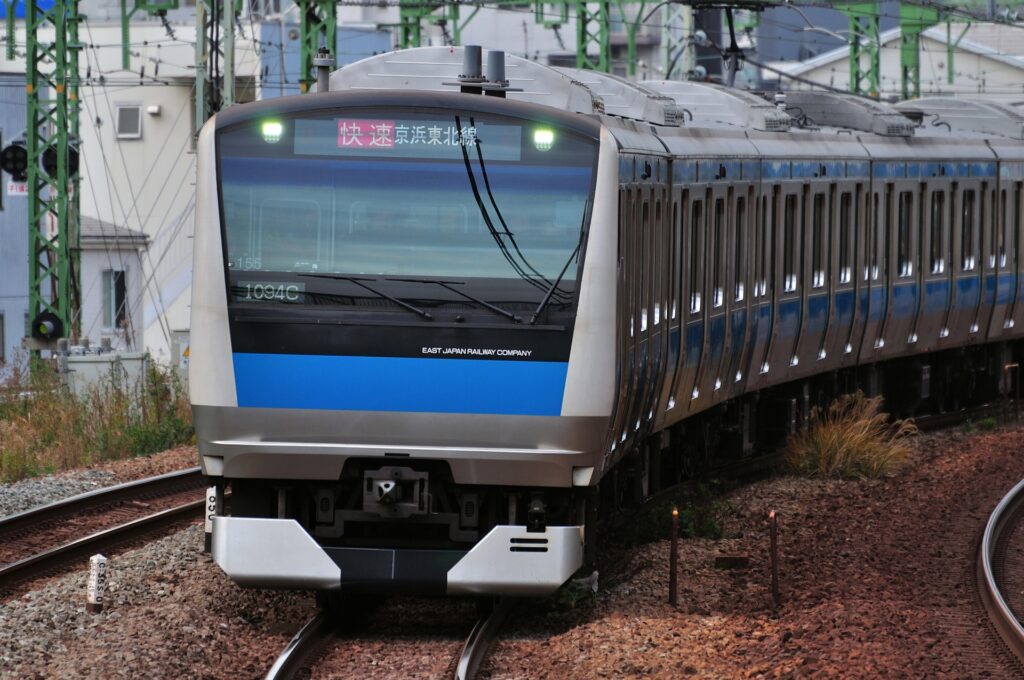
    Keihin-Tohoku Line

    Best Route: JR Keihin-Tohoku Line (direct)
    Travel Time: 30–35 minutes

    One of the easiest areas to travel from.

    ✔ Why it’s the best

    • Direct — no transfers
    • Trains leave very frequently (especially during the day)

    ⚠ Note

    During morning and evening rush hour, some trains run as Rapid service and skip certain stations.
    If you want the easiest option, just take a train marked “Local” — it stops everywhere and the travel time is almost the same.


    ⑤ From Tokyo Station / Shinagawa

    Best Route: JR Tokaido Line & Ueno–Tokyo Line (direct)
    Travel Time:

    • Shinagawa → Yokohama: 21–24 minutes
    • Tokyo → Yokohama: 26–31 minutes

    ✔ Why it’s the best

    • Fastest route from anywhere in Tokyo
    • Ideal when connecting from the Shinkansen (bullet train)

    If you are traveling for a special occasion, date, anniversary, or simply want a comfortable and relaxed ride, this is an excellent option.


    ⑥ From Haneda Airport

    Best Route: Keikyu Line (direct)
    Travel Time: 30–40 minutes

    The Keikyu Line connects Haneda Airport → Yokohama directly with no transfers.

    ✔ Why it’s the best

    • Fast and inexpensive
    • Trains run frequently
    • Simple even for first-time visitors

    Optional Alternative

    If you have very large luggage or are traveling with small children, the Limousine Bus to Yokohama can be a comfortable choice, as luggage is stored below the bus.


    Where to Get Off in Yokohama

    To avoid confusion and long walks, use the station closest to your destination:

    Attraction / AreaBest Station
    Minato Mirai / Red Brick / Cosmo World / Cup NoodlesMinato Mirai
    Osanbashi Cruise Terminal / Yamashita ParkNihon-Odori
    Chinatown / Motomachi Shopping StreetMotomachi-Chūkagai
    SOGO / Department Store ShoppingYokohama
    Noge nightlife / Baseball StadiumSakuragichō

    🗓 Example Yokohama Itineraries

    🕒 2–3 Hours

    • Minato Mirai → Red Brick → Harbor walk

    🕒 Half-Day

    • Minato Mirai → Osanbashi → Yamashita Park → Chinatown

    🕒 Full Day

    • Minato Mirai → Red Brick → Yamashita Park
      → Motomachi → Chinatown → Night view of the harbor

    💬 Final Thoughts

    Getting to Yokohama from Tokyo is easy, fast, and stress-free when you use the route that matches the area you’re staying in. Most trips take 25–45 minutes, and many lines offer direct service with no transfers, making travel smooth even with luggage.

    Yokohama welcomes you with ocean views, beautiful modern architecture, exciting food spots, and a calmer vibe than Tokyo.
    Enjoy your visit — and have an unforgettable time by the harbor.
  • Yokohama vs Tokyo: What Makes Yokohama Truly Unique

    Yokohama vs Tokyo: What Makes Yokohama Truly Unique

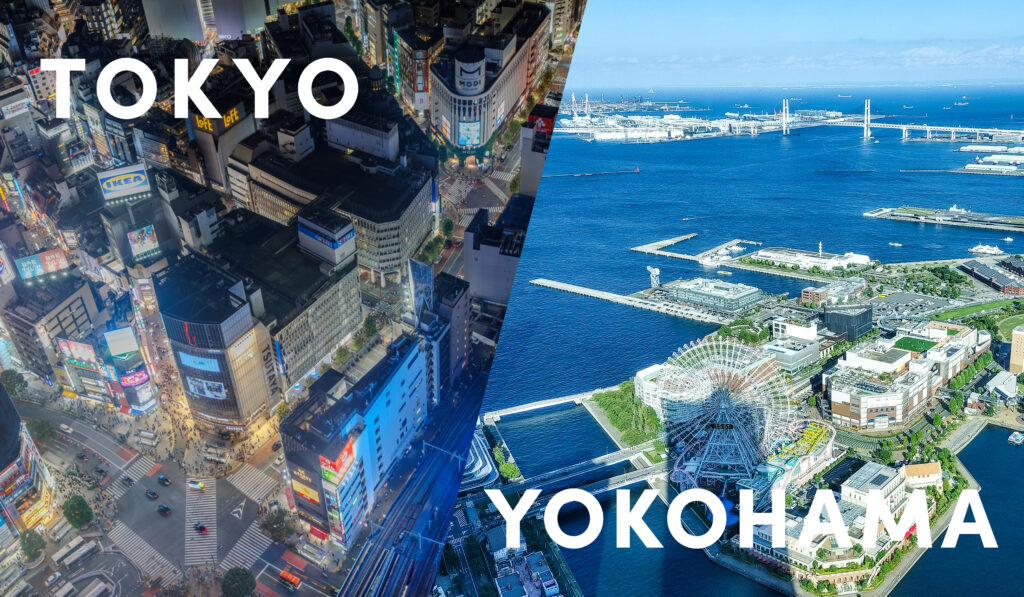
    Japan’s two most visited cities—Tokyo and Yokohama—are only about 30 minutes apart, yet they offer completely different atmospheres. Tokyo is energetic and fast-paced, while Yokohama feels calm, open, and beautifully balanced. Many travelers say that spending even one day in Yokohama can change the entire rhythm of their trip.

    Below is a simple comparison to help you feel the difference.


    1. Atmosphere: Fast-Paced Tokyo vs. Relaxed Yokohama

    Tokyo is known for its energy—neon lights, skyscrapers, crowds, and constant movement. It’s exciting and full of life, but it can also feel overwhelming, especially for first-time visitors.

    Yokohama, on the other hand, offers a completely different vibe. The sky feels wider, the pace is slower, and the streets are more spacious. The mix of ocean breeze, open plazas, and soft night lights gives the city a relaxing, almost resort-like feeling. It’s a place where you can slow down, breathe, and enjoy the moment.


    2. Nature & Scenery: A Beautiful Blend of Sea, Greenery, and City

    One of Yokohama’s greatest charms is how compactly nature and city life blend together.
    You can enjoy:

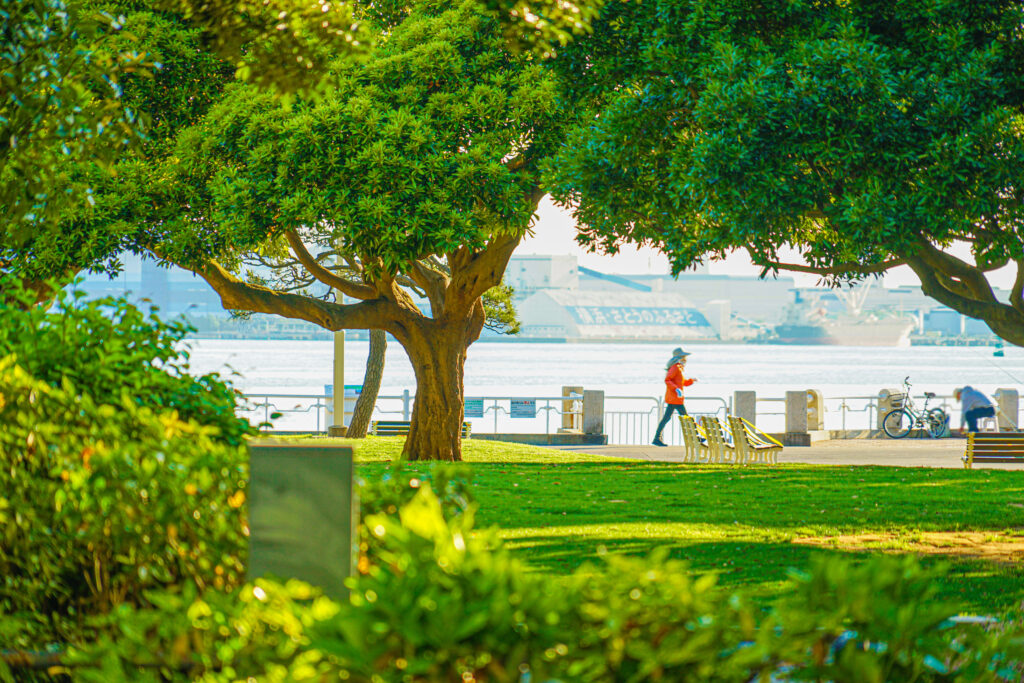
    • Seaside parks like Yamashita Park and Rinko Park
    • Hillside views from Harbor View Park
    • Sunset walks around Minatomirai
    • Quiet waterfront promenades and modern architecture
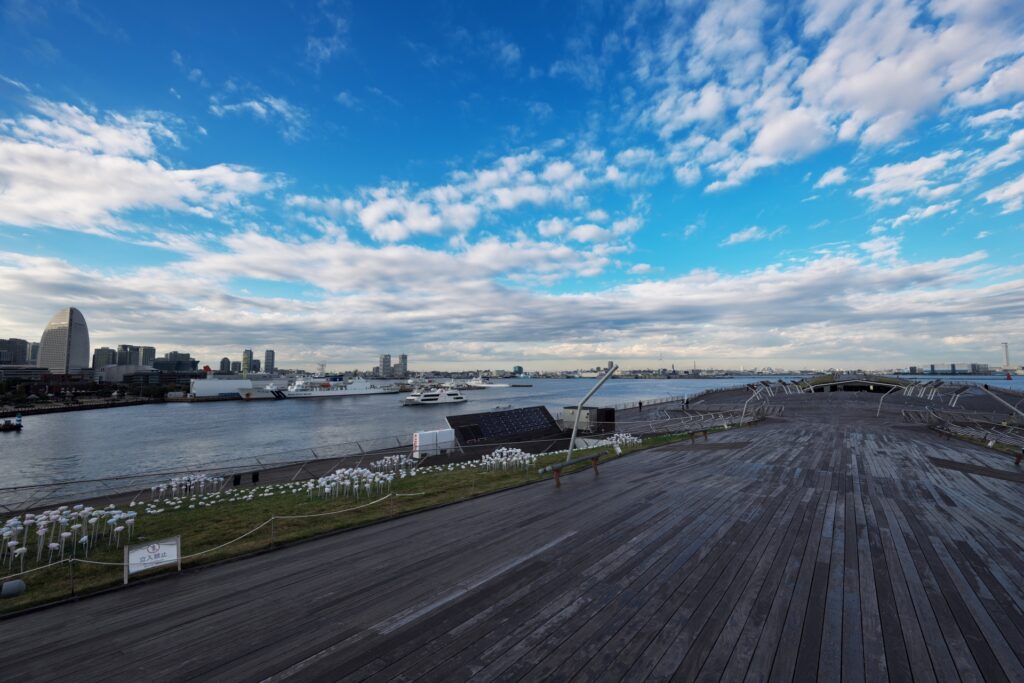
    Yamashita Park

    Tokyo also has wonderful parks, but they are spread out and not usually connected to the ocean. Yokohama’s “city × sea” landscape feels unique—and perfect for strolling, relaxing, and photography.


    3. Space & Comfort: Room to Breathe

    Tokyo is exciting but often crowded. Train stations, streets, malls, and tourist spots can all feel packed.

    Mark Is Minatomirai at Minatomirai Station
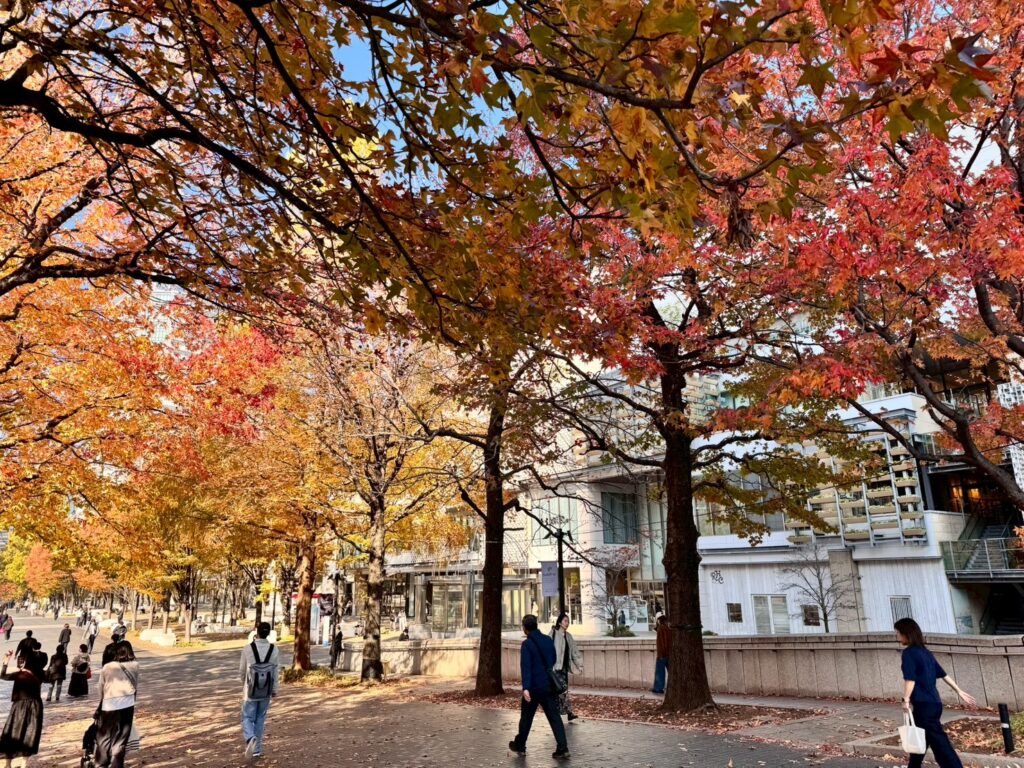
    Relaxing time in the city

    Yokohama has a gentler, more open layout. Wide walking paths, open seaside areas, and spacious shopping zones create a sense of comfort that’s harder to find in central Tokyo. The city has “room”—both physically and emotionally—which makes it easy to enjoy at a slower pace.


    4. Culture & History: A Port City with Global Roots

    Yokohama is where Japan officially opened to the world in 1859. Because of that, the city still carries traces of global influence, blended seamlessly with Japanese culture. Highlights include:

    • Western-style architecture in the Yamate district
    • Japan’s largest Chinatown
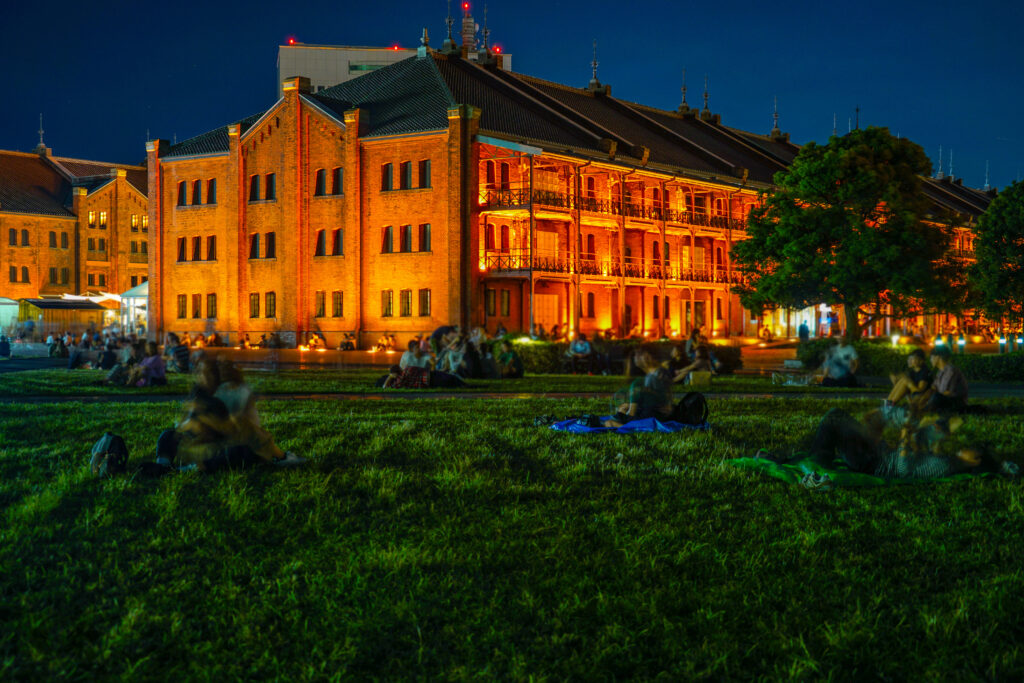
    • Historic red brick warehouses
    • International food culture
    • Port heritage and modern waterfront development
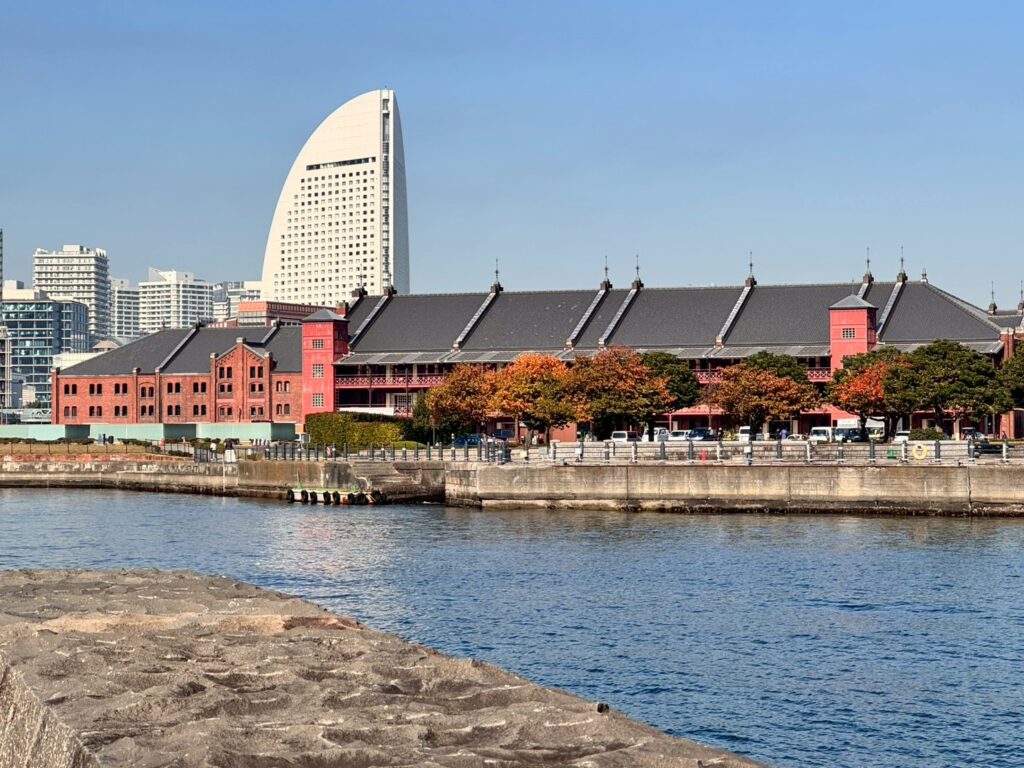
    Yokohama Red Brick Warehouse

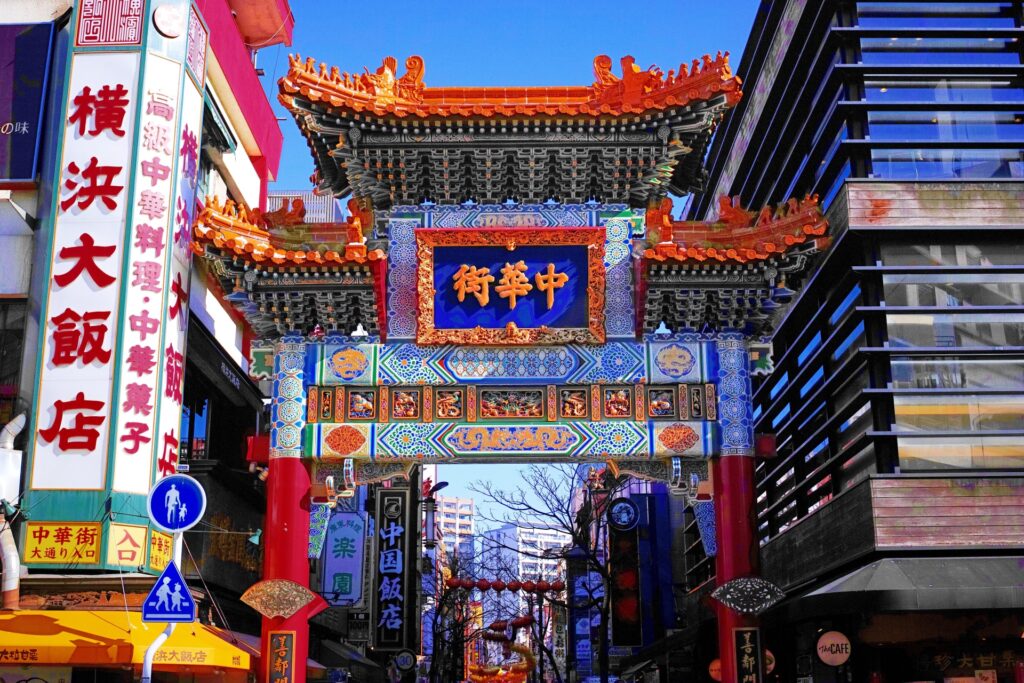
    Yokohama Chinatown

    Tokyo also mixes old and new, but Yokohama’s international flavor feels more natural—more lived-in—because it grew from real historical exchange through the port.


    5. Lifestyle: Perfect for Couples and Slow Travelers

    Tokyo is wonderful for people who want to pack their trip with activities—shopping, entertainment, museums, nightlife, and more.

    Yokohama is ideal for:

    • Couples looking for romantic walks
    • Travelers who enjoy photography
    • Families who prefer open spaces
    • Visitors who want a calm, relaxing day near the sea
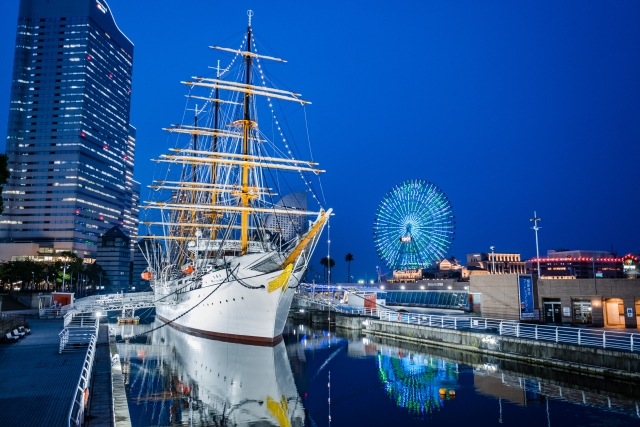
    Sail Training Ship NIPPON MARU

    Everything is close together, so you can enjoy a full, beautiful day without rushing.


    6. Food & Local Specialties: Yokohama’s Unique Flavor

    Yokohama is home to many “firsts” in Japan:

    • First Japanese beer brewery (Kirin)
    • First ice cream
    • First gas lamps
    • First railroad
    • Birthplace of many Western-style dishes introduced to Japan
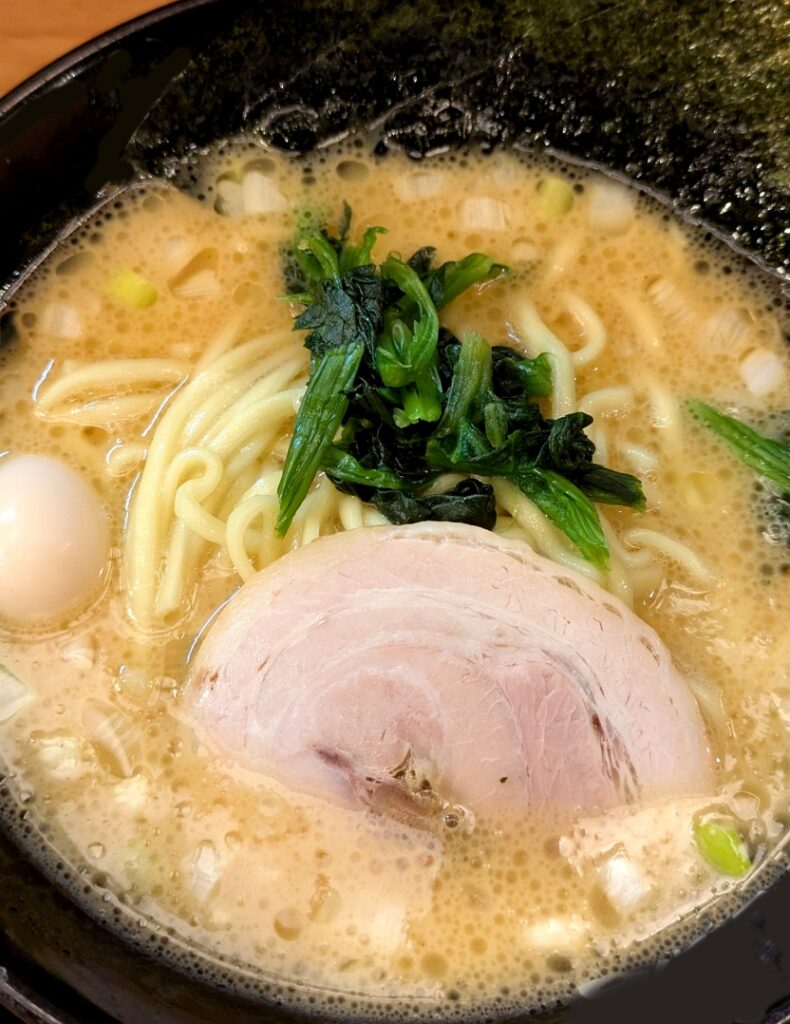
    Yokohama Iekei Ramen

    Add to that the incredible variety of restaurants in Chinatown and the multicultural dining scene around the port, and you’ll find food that tells the story of Yokohama’s history.

    Tokyo has everything from Michelin-star restaurants to small local gems—but Yokohama’s food culture has a special warmth born from its international roots.


    7. So, Who Should Visit Which City?

    Yokohama is perfect for you if:

    • You love the sea
    • You want space, scenery, and a relaxing pace
    • You’re traveling as a couple or with family
    • You enjoy photography and evening walks
    • You want a city that blends nature, culture, and calmness

    Tokyo is perfect for you if:

    • You want excitement and non-stop activity
    • You enjoy shopping, pop culture, and nightlife
    • You like exploring trendy neighborhoods
    • You’re looking for a big-city adventure

    8. Summary: Yokohama Offers a Different Kind of Japan

    Tokyo is bold, bright, and full of energy.
    Yokohama is calm, open, and beautifully balanced.

    They are close in distance but worlds apart in feeling. By adding Yokohama to your trip—even just for one day—you experience a softer, more scenic side of Japan that many travelers never expect.

    Yokohama isn’t just a city; it’s a moment of calm in the middle of your journey.

  • Avoiding Crowded Trains When Traveling to Yokohama

    Avoiding Crowded Trains When Traveling to Yokohama

    Japan’s trains are clean, fast, and incredibly reliable—but they can become extremely crowded during rush hour. If you’re traveling to Yokohama with large luggage, it’s important to understand which times and routes get packed, and how to avoid uncomfortable or even unsafe situations.

    Below is a simple guide to help you move around Yokohama comfortably and confidently.

    Why You Should Avoid Rush Hour

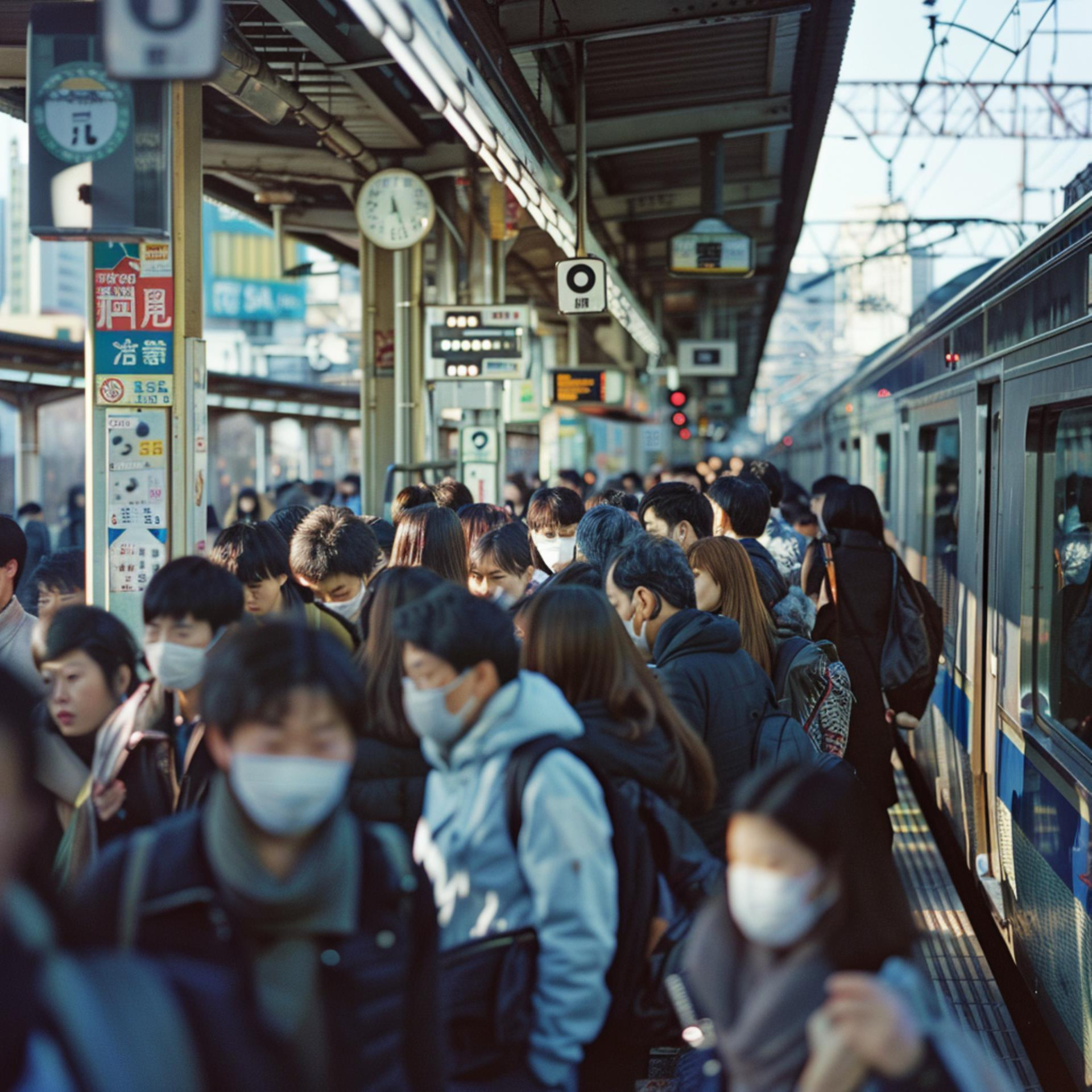
    During peak times, trains around Yokohama can become so crowded that you can barely move.

    Here is an Instagram video from Tokyo.
    Although it is not Yokohama, the scene gives you a clear idea of how crowded Japanese trains can get during rush hour.

    For travelers with suitcases, this can cause several problems:

    • You may not be able to move your luggage or keep it stable
    • It becomes difficult to reach the door and get off in time
    • Saying “Excuse me, I’m getting off” in Japanese can be challenging
    • Your luggage may accidentally block other passengers, causing stress for everyone

    Rush hour in Yokohama generally happens during:

    • Morning: 7:30–9:30 (Tokyo → Yokohama and Yokohama → Shonan for student commute)
    • Evening: 17:00–19:30 (Yokohama → Tokyo, and Shonan → Yokohama for students)

    Special cases

    • Friday night: Tokyo → Yokohama stays crowded even after 20:00 because many people go home after drinking.
    • Student rush:
      • Morning: Yokohama → Fujisawa/Tsujido (toward Shonan) is extremely crowded
      • Evening: Fujisawa/Tsujido → Yokohama gets busy again

    Understanding these patterns helps you avoid the most stressful moments.

    Crowded Lines You Should Know About

    Some lines commonly used by travelers get especially crowded:

    • JR Keihin-Tohoku Line
    • JR Tokaido Line
    • JR Yokosuka Line
    • Tokyu Toyoko Line
    • Minatomirai Line (weekends can be busy)

    If possible, avoid these lines during peak hours when carrying luggage.

    Women-Only Cars (Women-Only Carriages)

    Japan has women-only cars on many morning rush-hour trains.These cars are marked by pink signs on the platform and doors.

    • Available mostly on weekdays until around 9:30 AM
    • Designed to provide a safe, comfortable space for women during crowded periods
    • Children (boys under a certain age) and caregivers may also enter

    If you’re a woman traveling alone, this can be a safer and more relaxing option during busy times.

    Traveling to Yokohama from the Airport

    From Narita Airport → Yokohama

    Many travelers assume they can simply take the train into Tokyo and then transfer to Yokohama—but this route often brings you straight into the worst peak-time crowds.

    Why it gets difficult

    • You must travel past Tokyo, then transfer at a crowded station such as Tokyo or Shinagawa
    • Tokyo → Yokohama trains during rush hour are heavily packed
    • Long walking distances inside Tokyo Station make transfers exhausting
    • With large suitcases, it can be almost impossible to board

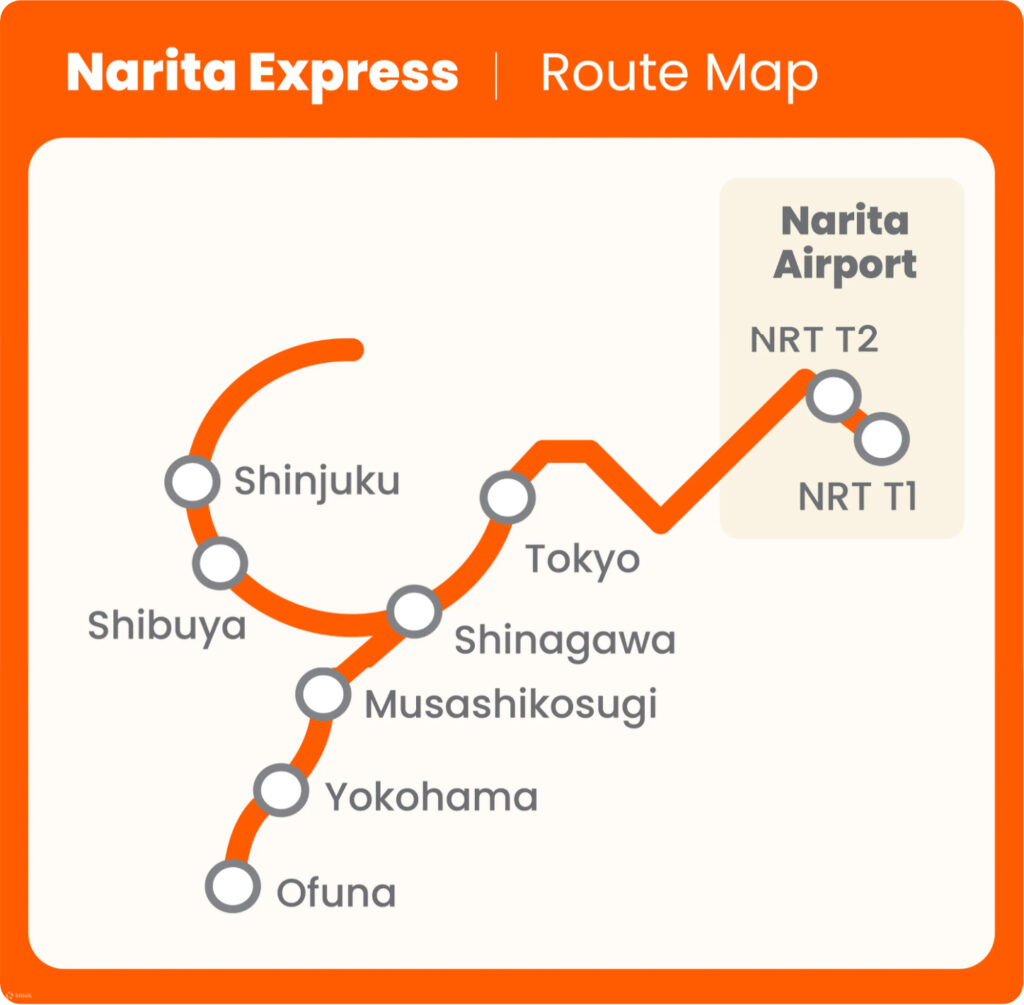
    Direct and Comfortable: Take the Narita Express to Yokohama

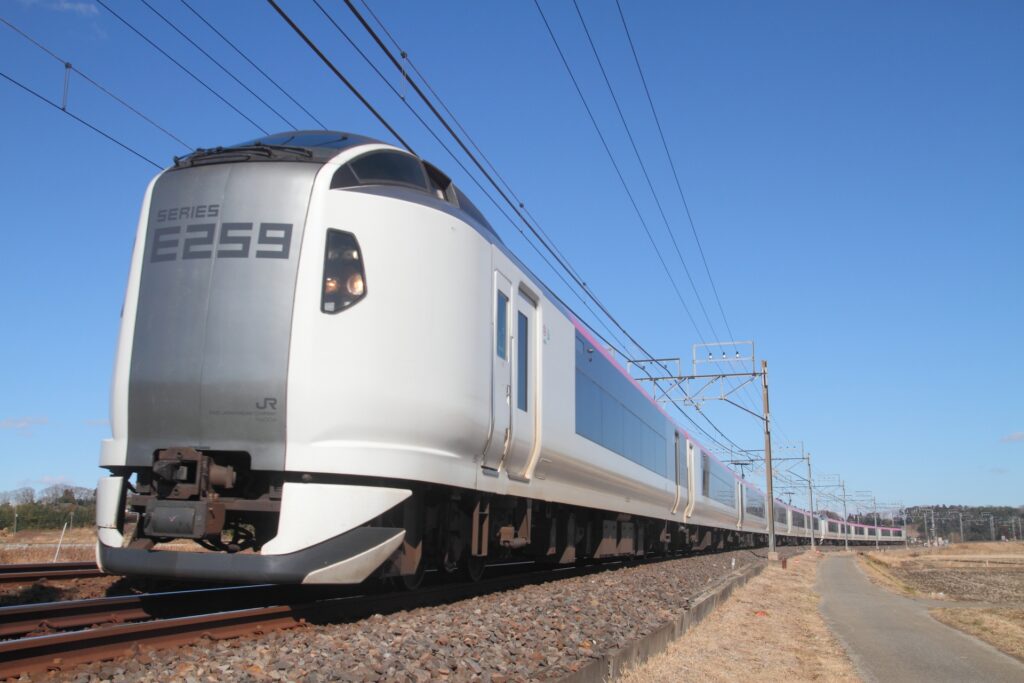
    Narita Express

    The Narita Express (NEX) offers a direct, no-transfer ride from Narita Airport to Yokohama. All seats are reserved and there is plenty of space for luggage, making it one of the easiest and most comfortable ways to reach the city.


    Book your ticket
    https://www.klook.com/en-US/japan-rail/narita-airport-terminal-1-station/yokohama-station/

    Is taking a taxi from Narita to Yokohama too expensive?

    Yes—taxis from Narita to Yokohama are usually very expensive.
    Because Narita is far from the city center, the cost can easily exceed:

    • ¥25,000–¥35,000+
    • Even higher at night or with highway tolls

    A taxi works for groups who split the cost, but for most travelers it’s not cost-effective.

    Best alternatives

    • Narita Express
    • Airport Limousine Bus (Narita → Yokohama)
      • No transfers
      • Luggage-friendly
      • Comfortable and reliable
      • Easy to pre-book (Klook)
    • Private Airport Transfer (Klook)
      • Door-to-door
      • Great for families or heavy luggage
      • Still often cheaper than a regular taxi

    From Haneda Airport → Yokohama

    Haneda is much closer to Yokohama, but the trains can still be crowded—especially the Keikyu Line during morning commute.

    Problems with taking the train

    • Morning rush on Keikyu Line is extremely packed
    • Difficult to move with suitcases
    • You may struggle to get off at Yokohama Station

    Taxi from Haneda → Yokohama

    A regular taxi from Haneda to Yokohama is reasonably priced because the distance is short:

    • Around ¥6,000–¥10,000 depending on destination
      This is far cheaper than Narita and a realistic option for many travelers.

    Best alternatives

    • Limousine Bus (Haneda → Yokohama) — good balance of comfort and price
    • Private Transfer (Klook) — perfect for families, late-night arrivals, or heavy luggage

    If You Must Take the Train

    • Stand near the end of the car, not the center
    • Keep your suitcase upright
    • Avoid blocking doors
    • Learn a simple Japanese phrase:
      “Orimasu” (I’m getting off)
    • Check for women-only cars if applicable
    • Avoid peak windows when possible

    Final Tips for Stress-Free Yokohama Travel

    • Rush hour in Yokohama can be intense—especially with luggage
    • Narita → Yokohama is the most challenging route by train
    • Haneda is easier, but morning/evening peaks still exist
    • Women-only cars are a safe option for solo female travelers
    • For comfort, convenience, and safety, airport buses and private transfers are the best choices
    • Booking through Klook ensures availability, clear instructions, and smooth travel
  • How to Get to Yokohama from Tokyo — Fast, Easy, and Affordable Ways

    How to Get to Yokohama from Tokyo — Fast, Easy, and Affordable Ways

    Just south of Tokyo lies Yokohama, Japan’s second-largest city and one of its most livable and photogenic destinations.
    With sparkling waterfront views, a thriving local food scene, and unique attractions like the Cup Noodles Museum and Red Brick Warehouse, Yokohama is a perfect half-day or full-day trip from Tokyo.

    The best part? Getting there is incredibly easy.
    In this guide, you’ll find every option — from fast trains to airport routes — with insider tips, travel times, prices, and maps to help you plan your journey stress-free.


    🗾 Distance & Overview

    Yokohama sits about 30 kilometers (18 miles) southwest of central Tokyo.
    The two cities are so closely connected that the trip can feel more like moving between neighborhoods than traveling to a different city.

    ModeTravel TimeAverage Cost
    🚆 Train25–45 minutes¥390–¥1,500
    🚌 Bus60–80 minutes¥600–¥1,000
    🚗 Taxi / Private Transfer40–60 minutes¥12,000–¥15,000

    For most travelers, the train is the fastest, cheapest, and most convenient way to get to Yokohama.


    🚆 1. By Train — The Best Option for Most Travelers

    Trains between Tokyo and Yokohama are frequent, clean, and well-connected, running every few minutes on multiple lines.
    Depending on where you’re staying — Tokyo Station, Shibuya, or Shinjuku — you can choose the most convenient route.


    🚄 JR Tokaido Line — Fastest from Tokyo Station

    If you’re near Tokyo Station or Shinagawa, the JR Tokaido Line is the best choice.

    • ⏱️ Travel time: About 25 minutes
    • 💴 Cost: ¥480 (one way)
    • 🚉 Route: Tokyo → Shinagawa → Yokohama
    • JR Pass: Fully covered

    Trains depart every 10 minutes and arrive at Yokohama Station, the city’s main hub.
    From there, it’s easy to transfer to local lines (like the Minatomirai Line) to reach attractions such as the Cup Noodles Museum, Yamashita Park, and Chinatown.

    💡 Insider tip: Sit on the left side of the train for views of the bay as you approach Yokohama.


    🚆 JR Keihin-Tohoku Line — Local and Frequent

    This line connects many major neighborhoods, including Ueno, Akihabara, Tokyo, and Shinagawa, before reaching Yokohama.

    • ⏱️ Travel time: Around 40 minutes
    • 💴 Cost: ¥480
    • 🧳 Slower than Tokaido, but stops at many tourist areas

    If you’re already sightseeing in central Tokyo, this line is convenient — you can hop on from multiple stations without returning to Tokyo Station.

    💡 Best for: Visitors exploring Akihabara, Ueno, or Tokyo Dome before heading to Yokohama.


    🚆 Tokyu Toyoko Line — Best from Shibuya

    From Shibuya, the Tokyu Toyoko Line is your best option.
    It’s affordable, scenic, and connects directly to the Minatomirai Line, which stops right near Yokohama’s top attractions.

    • ⏱️ Travel time: 35 minutes
    • 💴 Cost: ¥390
    • 🚉 Route: Shibuya → Yokohama (through service to Minatomirai Line)
    • 📍 Stops near attractions: Bashamichi, Minatomirai, Nihon-Odori

    This line is especially convenient for travelers heading straight to Red Brick Warehouse, Cup Noodles Museum, or Osanbashi Pier — no need to transfer at Yokohama Station.

    💡 Pro tip: Buy a Minatomirai One-Day Ticket for unlimited rides on the Tokyu and Minatomirai Lines — great for exploring multiple spots in one day.


    🚅 Shinkansen (Bullet Train) — For Long-Distance Travelers

    If you’re arriving in Tokyo from Osaka, Kyoto, or Nagoya, you can ride the Tokaido Shinkansen and get off at Shin-Yokohama Station.

    • ⏱️ Travel time: 15–20 minutes (from Tokyo or Shinagawa)
    • 💴 Cost: ~¥1,400
    • 🚉 Route: Tokyo → Shin-Yokohama

    However, note that Shin-Yokohama is about 15 minutes inland from the main sightseeing area (Minatomirai).
    After arriving, take the Yokohama Municipal Subway Blue Line or JR Yokohama Line to reach downtown.

    💡 Recommended only if you already have a JR Pass or are connecting from another city.


    🚌 2. By Bus — Direct and Comfortable

    If you prefer a seat and no transfers, highway buses are a comfortable choice.
    Multiple bus companies operate routes between Tokyo and Yokohama, including stops at major stations and airports.

    RouteDurationCostNotes
    Tokyo Station → Yokohama Station60 min¥900Comfortable, direct
    Shinjuku → Yokohama Station70 min¥1,000Luggage-friendly
    Haneda Airport → Minatomirai30–40 min¥720Airport Limousine Bus

    🧳 Advantages: Large seats, air-conditioning, and space for luggage.
    💡 Disadvantages: Traffic delays during rush hours (especially on weekends).

    🎟️ Book in advance:
    Reserve Tokyo–Yokohama Bus (English) via Rakuten Travel Experiences or Klook.


    🚖 3. By Taxi or Private Transfer — For Comfort & Convenience

    If you prefer door-to-door service, taxis and private transfers are available anytime.
    They’re particularly convenient for early flights, cruise passengers, or families with children and luggage.

    • ⏱️ Travel time: 40–60 minutes (depending on traffic)
    • 💴 Cost: Around ¥12,000–¥15,000 (one way)
    • 🚗 Capacity: Up to 4 passengers (larger vans available)

    💡 Tip: Many private transfers offer English-speaking drivers and fixed prices — no surprises.

    🚗 Book Private Transfer:
    Tokyo → Yokohama Port / Hotel (English service)


    ✈️ 4. From Airports to Yokohama

    Many travelers come straight from the airport — here’s how to reach Yokohama easily from both Haneda and Narita.


    🛫 From Haneda Airport (HND)

    Haneda is actually closer to Yokohama than to central Tokyo, making it the most convenient entry point for travelers heading south.

    Option 1: Keikyu Line (Direct Train)

    • ⏱️ 30 minutes
    • 💴 ¥480
    • Route: Haneda Airport → Yokohama Station (direct)

    Option 2: Airport Limousine Bus

    • ⏱️ 30–40 minutes
    • 💴 ¥720
    • Direct stops at Yokohama Station, Minatomirai, and major hotels

    💡 If you’re staying near the bay (InterContinental, Hyatt), the bus drops you almost at the door.


    🛬 From Narita Airport (NRT)

    Yokohama is farther from Narita, but still easily reachable.

    Option 1: Narita Express (N’EX)

    • ⏱️ 90 minutes
    • 💴 ¥4,600
    • Direct to Yokohama Station
    • Fully covered by the Japan Rail Pass

    Option 2: Airport Bus “TYO-NRT”

    • ⏱️ 90–100 minutes
    • 💴 ¥3,800
    • Comfortable seats, Wi-Fi, and large luggage storage

    💡 If you’re staying in Yokohama overnight, taking the Narita Express is the most stress-free way.


    💡 5. Travel Tips for First-Time Visitors

    Traveling in Japan can feel intimidating at first, but Yokohama is one of the easiest destinations to navigate.
    Here are a few tips to make your journey smoother:

    • 🎫 Use IC Cards (Suica, Pasmo, Welcome Suica) — they work on all trains and buses.
    • Avoid rush hours: 7:30–9:00 a.m. and 5:30–7:30 p.m.
    • 📱 Use Google Maps or Japan Travel App — real-time train updates are very accurate.
    • 🚉 Minatomirai Line through service: trains from Shibuya go directly to Minatomirai and Bashamichi Stations — no need to transfer!
    • 💼 Luggage lockers: available at all major Yokohama stations.
    • Tip for day-trippers: Plan a coffee or snack stop at Yokohama Bay Quarter — beautiful view and easy station access.